How Strong Is Indonesia’s Military in 2026?
Indonesia is the world’s largest archipelago, with more than 17,000 islands sitting astride some of the busiest sea lanes on earth. That geography shapes everything about its armed forces. Under President Prabowo Subianto, himself a former general and defence minister, Jakarta is buying more modern weapons than at any time in its history. Here is how strong Indonesia’s military is in 2026.
- Global Firepower 2026 rank: 13th, first in Southeast Asia
- About 400,000 active personnel
- 42 Rafales on order and a deal for 48 Turkish KAAN fighters
- Two Scorpène Evolved submarines ordered
- Defence spending under 1% of GDP
Ranking and budget
Global Firepower ranks Indonesia 13th in the world in 2026, the highest in Southeast Asia. Its defence budget is still small relative to the economy, at under 1 percent of GDP, so many big purchases are financed through foreign loans and spread over many years. That has made Indonesia a hard-bargaining customer that likes to split orders between several suppliers.
Manpower
The Tentara Nasional Indonesia (TNI) has around 400,000 active personnel, with the army by far the largest service. Much of it is organised territorially across the islands, while elite units such as Kopassus special forces and the Kostrad strategic reserve provide the main combat power.
Air force: Rafale, KAAN and more
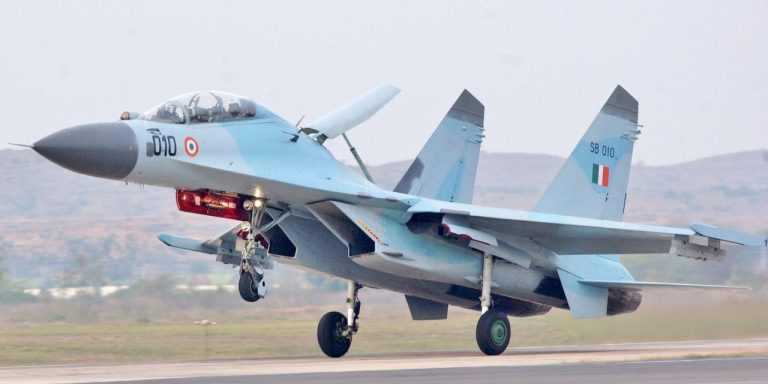
The air force is in the middle of a generational change. Indonesia ordered 42 Dassault Rafales, with first deliveries due from 2026, and in 2025 signed a deal for 48 KAAN fighters from Türkiye, making it the first export customer for the Turkish fifth-generation jet. It is also a partner in South Korea’s KF-21 programme operates F-16s, Su-27/30s and T-50 trainers, and has bought A400M transports.
Navy: guarding the sea lanes
The navy is buying two Scorpène Evolved submarines to be built with PT PAL, locally built Arrowhead 140 frigates and two Italian Thaon di Revel-class offshore patrol vessels bought second-hand from the production line. Turkish Atmaca anti-ship missiles and other systems are part of a broader defence partnership with Ankara that also includes the Harimau medium tank developed with FNSS.
Army and domestic industry
State-owned Pindad produces Anoa armoured vehicles, small arms and ammunition, while PT PAL and PT Dirgantara Indonesia build ships and aircraft. Indonesia’s long-term aim is to manufacture more of what it buys, which is why almost every major contract includes technology transfer.
Strengths and weaknesses
Indonesia’s strengths are size, manpower and a clear modernisation drive. Its weaknesses are a low budget, a very diverse fleet that is hard to maintain, and dependence on foreign financing. Still, as competition between the US and China grows in the Indo-Pacific, a modern Indonesian military will be one of the most important swing factors in the region.
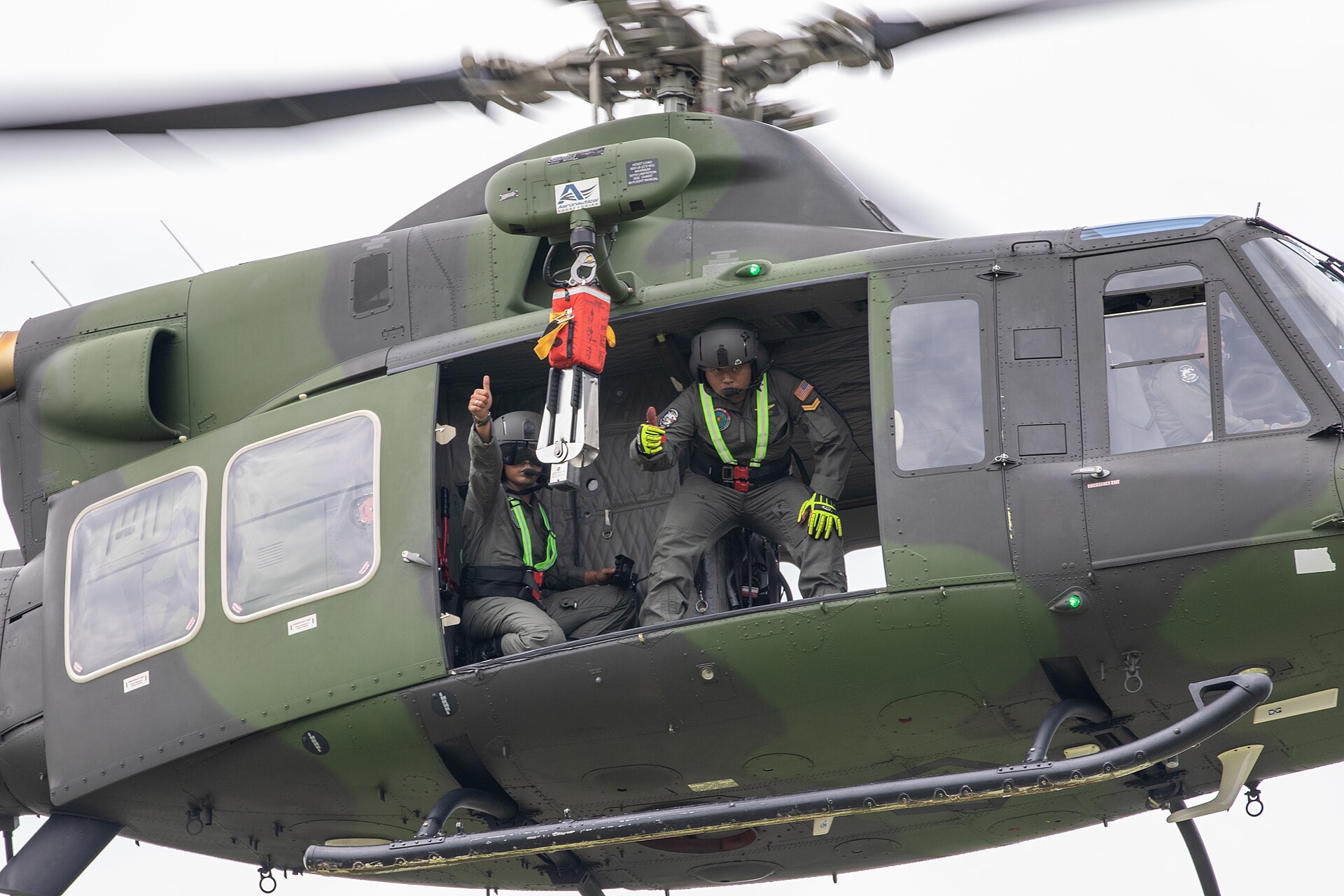
Featured image: Capt. Kyle Abraham / Public domain, via Wikimedia Commons