Puma IFV: Specs, Armor, Weapons and Problems of Germany’s Infantry Fighting Vehicle
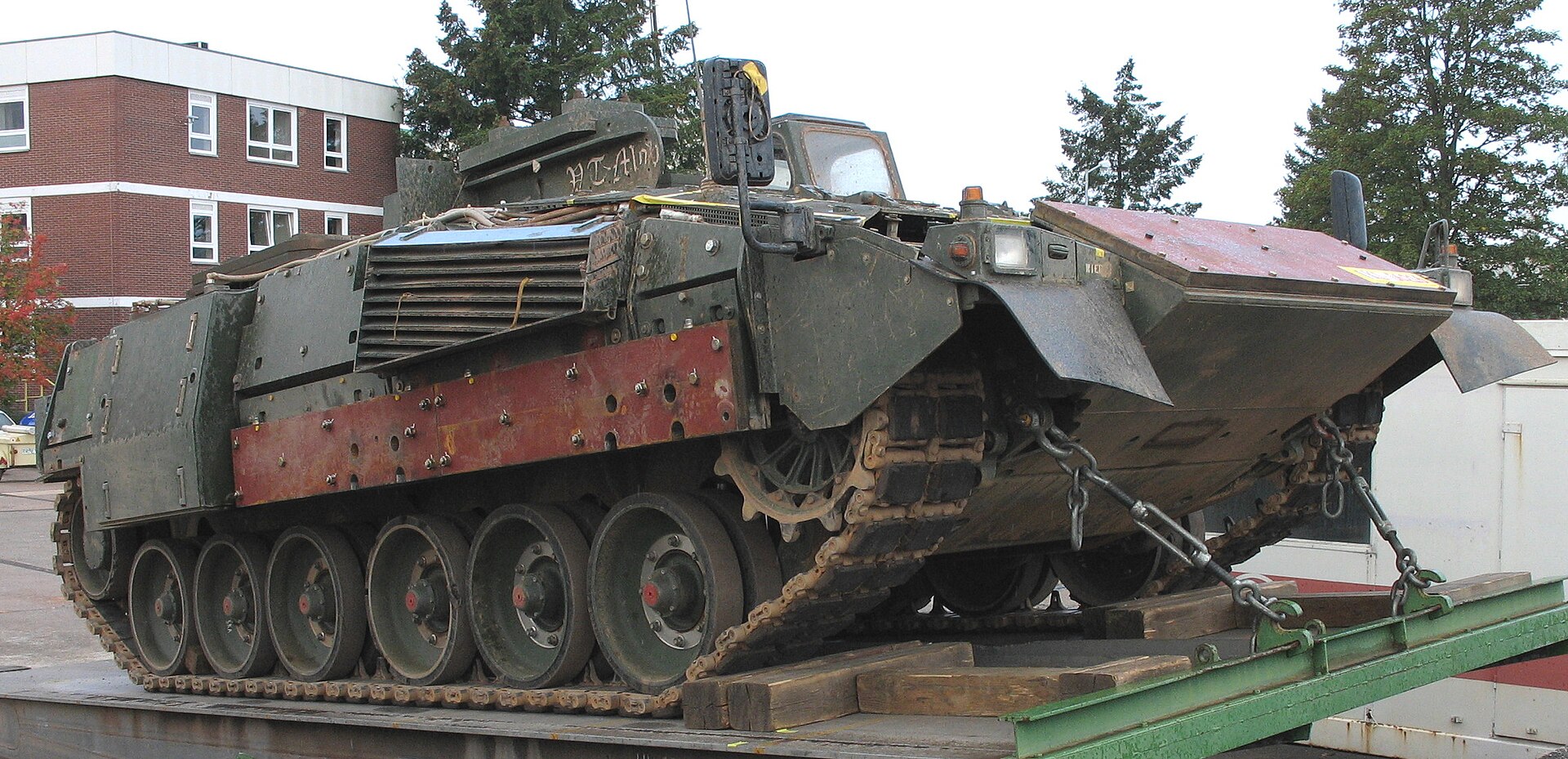
The Puma is Germany’s infantry fighting vehicle and, by many measures, the most heavily protected and technologically advanced IFV in service anywhere. It is also one of the most controversial, after a string of reliability problems that embarrassed the Bundeswehr. In 2026, with Germany rearming at speed, the Puma is back on the order books.
- Makers: Rheinmetall and KNDS Deutschland (PSM)
- In service since 2015; crew 3 + 6 infantry
- Weight: ~31.5 t (Level A) to ~43 t (Level C)
- Armament: 30 mm airburst cannon, Spike LR missiles
- Upgraded standard: Puma S1
What is the Puma?
Developed by PSM, a joint venture of Rheinmetall and KNDS Deutschland (formerly Krauss-Maffei Wegmann), the Puma replaced the Cold War-era Marder. It entered service in 2015 and carries a crew of three plus six infantry soldiers into battle, where it fights alongside Leopard 2 tanks.
Armor: two protection levels
The Puma’s modular armor lets it operate at two weights. In “Level A” configuration it weighs about 31.5 tonnes and can be flown in an A400M transport aircraft. With add-on armor in “Level C,” it rises to around 41-43 tonnes and offers protection close to that of a main battle tank against mines, roadside bombs and anti-tank weapons.
Weapons
An unmanned remote turret carries a 30 mm MK30-2/ABM cannon that fires programmable airburst ammunition, effective against infantry and even small drones. The vehicle can also launch Spike LR anti-tank missiles, giving infantry the ability to destroy enemy tanks at long range. A 5.56 mm machine gun and smoke dischargers round out the armament.
Mobility
A compact MTU diesel engine producing about 1,088 hp gives a top speed of around 70 km/h. Suspension and tracks were designed for high cross-country speed and a quieter ride for the troops inside.
The 2022 scandal
In December 2022, all 18 Pumas of a company preparing for NATO’s rapid reaction force broke down during an exercise, mostly due to electrical and electronic faults. The incident became a national embarrassment and briefly froze new orders. The vehicles were repaired, and an upgraded “S1” standard has since improved reliability and added a better optics and digital suite.
New orders and the future
Germany ordered about 350 Pumas in its first batch and has since signed additional contracts as part of its rearmament. The vehicle has not been exported, but its technology is a clear signal of where heavy IFVs are heading: unmanned turrets, airburst ammunition and very heavy protection.
Verdict
The Puma is one of the best-protected infantry vehicles in the world, but also one of the most expensive and complex. Whether it can match its paper strengths with day-to-day reliability will decide its reputation.
Featured image: Motorpferd / CC BY-SA 3.0, via Wikimedia Commons