
What is the Defense Industry? Understanding the Architecture of Global Military Power


 React
React
When nations seek to secure their borders, project global influence, and maintain strategic autonomy, they turn to one foundational pillar: the defense industry. For geopolitical analysts, military planners, and technology enthusiasts, understanding how this massive global ecosystem operates is crucial to decoding modern international relations and the future of warfare.
The term “defense industry” frequently dominates geopolitical headlines, policy debates, and economic reports. But what exactly does this vast sector encompass? Far beyond simply manufacturing firearms or assembling tanks, the modern global defense industry is a highly sophisticated, multi-trillion-dollar technological ecosystem that drives both military dominance and civilian innovation.
Defining the Defense Industry
At its core, the defense industry (often referred to as the military-industrial complex or the arms industry) is the global business sector responsible for the research, development, production, and maintenance of military materiel, equipment, and facilities.
It encompasses everything from government-owned arsenals and shipyards to massive publicly traded multinational defense contractors. These entities supply the armed forces of their host nations and export their advanced technologies to allied governments across the globe.
The Four Core Pillars of the Defense Sector
To understand the scale of the defense industry, it must be broken down into its primary operational domains:
-
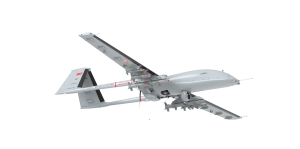
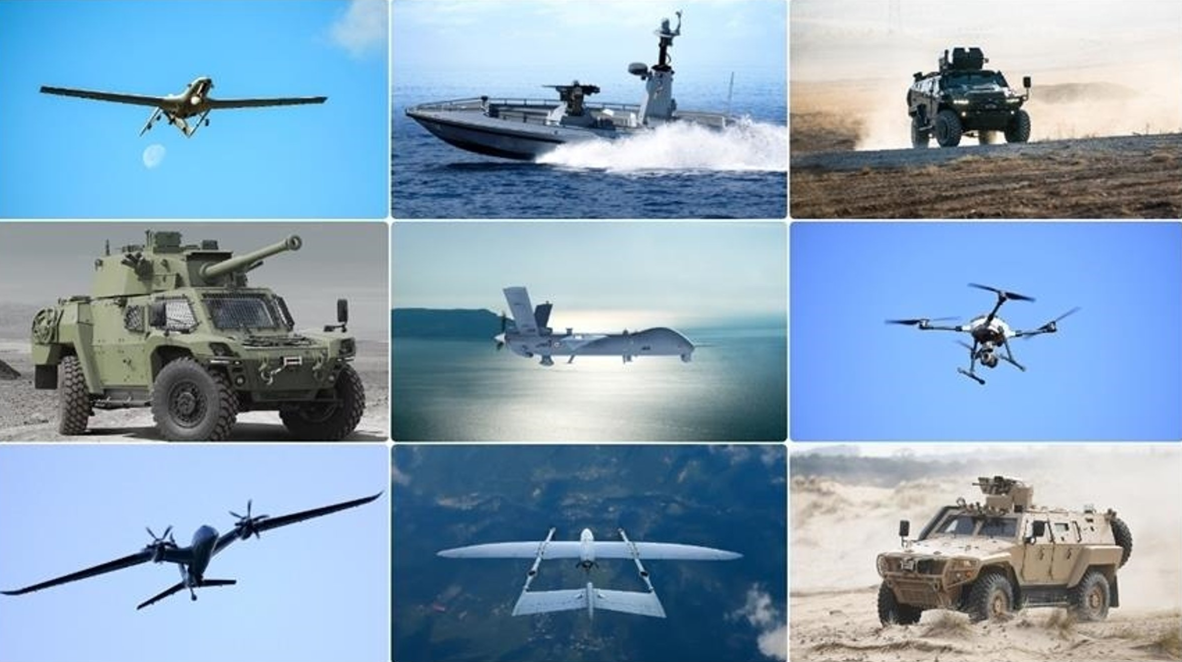
Aerospace: Historically the most capital-intensive sector, this domain includes the design and production of 5th-generation stealth fighter jets, transport aircraft, combat helicopters, and increasingly, unmanned combat aerial vehicles (UCAVs) and hypersonic missiles.
-
Naval Systems: This sector is responsible for securing the maritime domain. It involves the construction of complex platforms such as nuclear-powered submarines, aircraft carriers, air defense destroyers, and the emerging field of autonomous unmanned surface vessels (USVs).
-
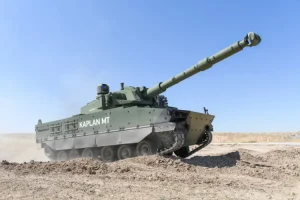
Land Systems: The traditional backbone of military power, focusing on the production of main battle tanks (MBTs), armored personnel carriers, self-propelled howitzers, and precision artillery munitions.
-
C4ISR and Cyber Security: Command, Control, Communications, Computers, Intelligence, Surveillance, and Reconnaissance (C4ISR) is the digital nervous system of the modern military. This rapidly growing sector focuses on electronic warfare, battle management software, military satellites, and defending critical national infrastructure against cyber-attacks.
The Push for Strategic Autonomy
In the modern geopolitical landscape, the defense industry is not merely a commercial enterprise; it is a primary tool of statecraft.
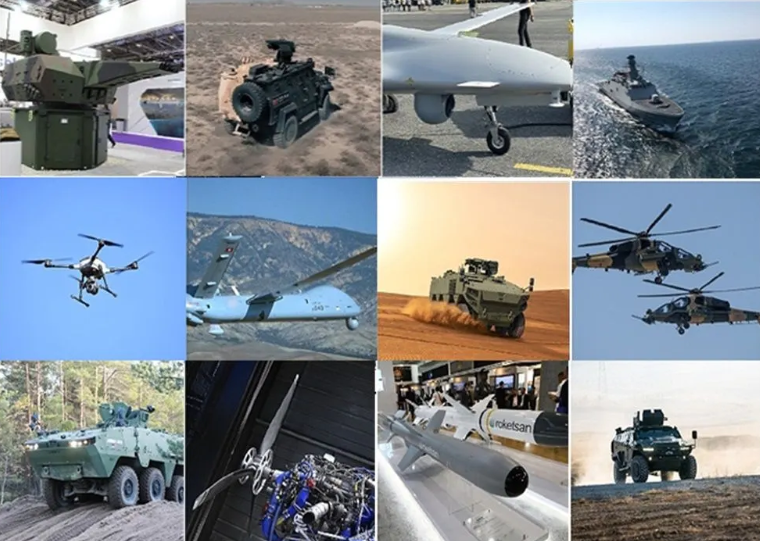
Nations rely on foreign defense contractors at their own peril, as imported arms often come with restrictive end-user agreements or the threat of sudden embargoes. Consequently, countries around the world—such as Turkey, South Korea, and India—are investing heavily in their domestic defense ecosystems to achieve “strategic autonomy.” Building a sovereign defense industry ensures that a nation can independently sustain its armed forces during prolonged conflicts without relying on external suppliers.
Driving Global Technological Innovation
The impact of the defense industry extends far beyond the battlefield. Historically, the immense R&D budgets allocated to defense have birthed technologies that revolutionized civilian life. Inventions such as the Internet (ARPANET), the Global Positioning System (GPS), jet engines, and advanced synthetic materials were all originally conceptualized and funded by the defense sector.
Today, the industry is pioneering the next wave of technological breakthroughs. As the defense industry pivots toward artificial intelligence (AI), quantum computing, directed-energy weapons (lasers), and autonomous drone swarms, it continues to serve as the ultimate incubator for human technological advancement.
React