

THE SENTINELS OF THE OCEAN: UNDERSTANDING MODERN WARSHIP CLASSES

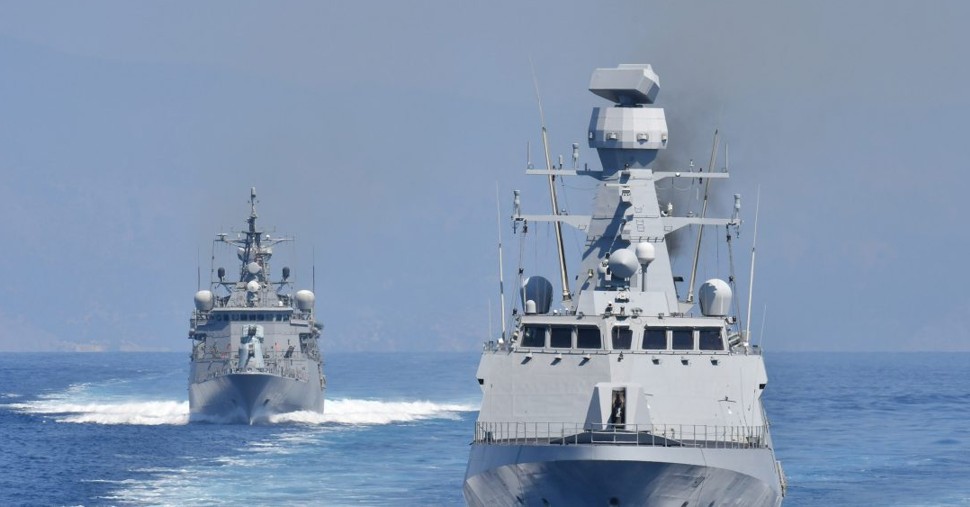

GLOBAL MARITIME DESK — A modern warship is more than just a floating platform for weapons; it is a highly specialized, multi-million dollar masterpiece of engineering designed to survive and win in the most unforgiving environment on Earth. From the massive presence of an aircraft carrier to the stealthy agility of a corvette, each ship class plays a specific role in a nation’s “Marititme Power Projection.”
What is a Warship and Why is it Necessary?
A warship is a vessel built and armed for combat. Unlike merchant ships, warships are designed to withstand damage, maintain high speeds in rough seas, and carry advanced sensor suites. They are necessary for Sea Control, protecting trade routes, and acting as a mobile deterrent that can stay in international waters for months without needing a visa or a base.
The Hierarchy of the Fleet: Key Classes and Differences
The global naval community classifies ships based on their displacement (size), armament, and mission profile.
1. Aircraft Carriers (The Floating Airbases)
The largest warships ever built. Their primary weapon is not guns, but the air wing they carry.
-
Role: Global power projection and air superiority.
-
Key Feature: Flight deck and hangar facilities for jets, helicopters, and increasingly, large UCAVs.
2. Destroyers (The Multi-Role Workhorses)
Destroyers are the “shield” of the fleet. They are large, fast, and highly maneuverable.
-
Role: Specialized in Anti-Air Warfare (AAW) and defending larger ships from missile attacks.
-
Key Feature: Equipped with advanced radar systems (like AEGIS) and vertical launching systems (VLS) for dozens of missiles.
3. Frigates (The Versatile Protectors)
Slightly smaller than destroyers, frigates are designed for endurance and specific mission sets.
-
Role: Primarily focused on Anti-Submarine Warfare (ASW) and escorting merchant convoys.
-
Key Difference: They are more cost-effective than destroyers but carry a lighter weapon load, making them ideal for sustained global presence.
4. Corvettes (The Coastal Guardians)
The smallest class of “true” warships.
-
Role: Littoral (coastal) defense, anti-piracy, and fast attack missions.
-
Key Feature: High speed and often “Stealth” designs to hide in coastal clutter. They are the primary strike force for smaller navies.
5. Amphibious Assault Ships (The Invaders)
These look like small aircraft carriers but serve a different purpose.
-
Role: Transporting marines, tanks, and helicopters to a hostile shore.
-
Key Feature: A “well deck” that can be flooded to launch landing craft directly from the back of the ship.
What Sets Them Apart?
The primary difference between these classes is “Sustainability vs. Specialization.”
-
Destroyers can fight alone in the middle of the ocean against air, surface, and sub-surface threats.
-
Corvettes usually need to stay closer to friendly shores or support vessels.
-
Frigates bridge the gap, offering the best balance for long-range patrols without the massive cost of a destroyer.