Japan’s Counterstrike Capability Explained: Tomahawks, Upgraded Type 12 and a Historic Shift
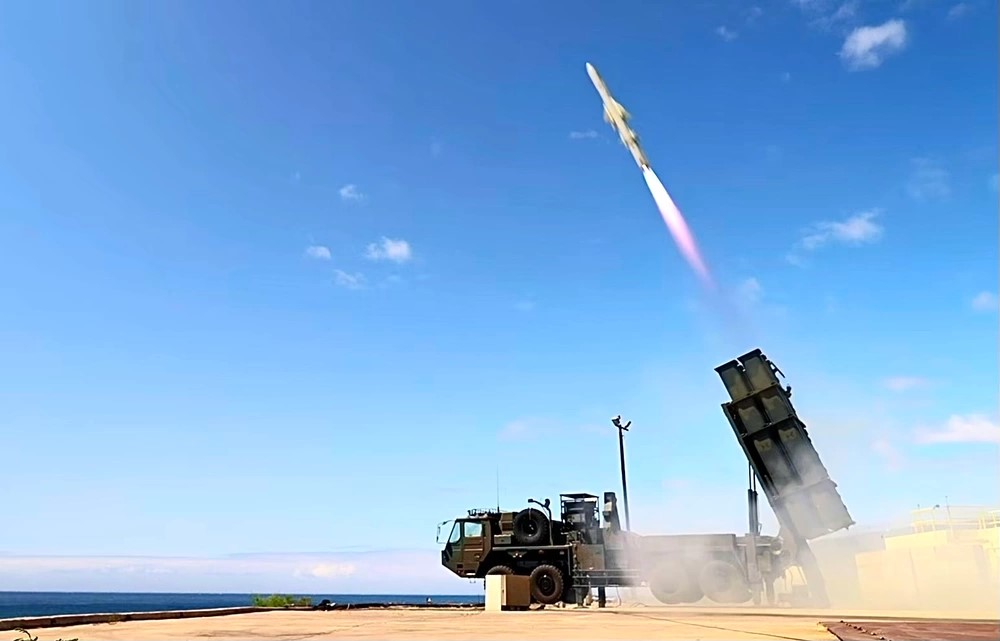
For decades after 1945, Japan deliberately avoided weapons that could strike other countries. That era is over. Since 2022 Tokyo has been building a “counterstrike capability”, long-range missiles able to hit enemy launch sites and bases if Japan is attacked. It is one of the biggest changes in Japanese defence policy since the Second World War. Here is how it works.
- Approved in Japan’s 2022 National Security Strategy
- Up to 400 US Tomahawk cruise missiles purchased
- Upgraded Type 12 missile with a range around 1,000 km
- Hypersonic glide projectiles for island defence
- Defence spending rising to about 2% of GDP
Why Japan changed course
Three threats drove the decision: China’s rapidly growing missile force and navy, North Korea’s nuclear missiles that regularly fly over or near Japan, and Russia’s war in Ukraine, which showed that large-scale invasions are not a thing of the past. Japanese leaders concluded that missile defence alone could not stop large salvoes, so Japan needed the ability to strike back and deter attacks in the first place.
The legal framework
The December 2022 National Security Strategy approved counterstrike capabilities while keeping Japan’s “exclusively defence-oriented” policy. Counterstrikes are allowed only when an armed attack has begun, not as pre-emptive strikes, and must be the minimum necessary. Critics still argue the line between defence and offence is blurring.
The weapons
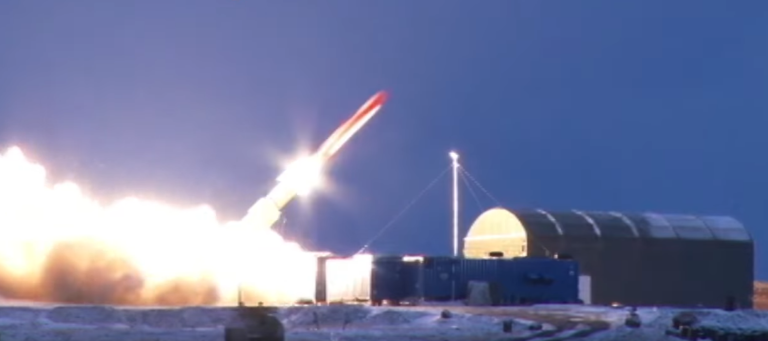
Tomahawk: Japan agreed to buy up to 400 US Tomahawk cruise missiles, with a range of more than 1,600 kilometres, to arm Aegis destroyers; deliveries began in 2025. Upgraded Type 12: Mitsubishi Heavy Industries’ improved Type 12 missile extends the range to roughly 1,000 kilometres and can be launched from land, ships and aircraft; the first units began deploying in Kyushu. Hyper Velocity Gliding Projectile: a hypersonic glide weapon designed to defend remote islands. Japanese F-35s and F-15s will also carry JSM and JASSM-ER missiles.
Money and timeline
To pay for this, Japan is lifting defence spending to around 2 percent of GDP, roughly doubling its budget from historic levels, under a five-year plan worth about ¥43 trillion. Japan is also creating a permanent joint operations command and improving intelligence and targeting with satellites and drones, without which long-range missiles would be of limited use.
Regional reactions
The US strongly supports the shift and is deepening command integration with Japanese forces. China has criticised it as a return to militarism, while South Korea has reacted cautiously. For many in the region, however, Japan’s move is seen as a response to China’s own massive build-up.
Verdict
Japan’s counterstrike capability will not make it an offensive power, but it changes the regional balance. For the first time in generations, an adversary planning to attack Japan would have to factor in Japanese missiles hitting back.
Featured image: U.S. Army photo by Sgt. Perla Alfaro / Public domain, via Wikimedia Commons