How Strong Is Vietnam’s Military in 2026?
Vietnam has fought France, the United States and China within living memory, and its armed forces still carry that tradition of tough, self-reliant defence. Today the main concern is the South China Sea, where Vietnam faces the PLA Navy and China’s coast guard. Here is how strong the Vietnam People’s Army is in 2026.
- Global Firepower 2026 rank: 23rd
- Around 450,000 active troops and millions of reservists
- Six Kilo-class submarines and 35 Su-30MK2 fighters
- Diversifying away from Russian weapons
- Rapid island-building in the Spratlys
Ranking and budget
Global Firepower ranks Vietnam 23rd in the world in 2026. Its defence budget is estimated at around 2 percent of GDP, modest in dollar terms but growing with one of Asia’s fastest-growing economies. Hanoi follows a “Four Nos” defence policy: no military alliances, no siding with one country against another, no foreign bases and no use of force in international relations.
Manpower
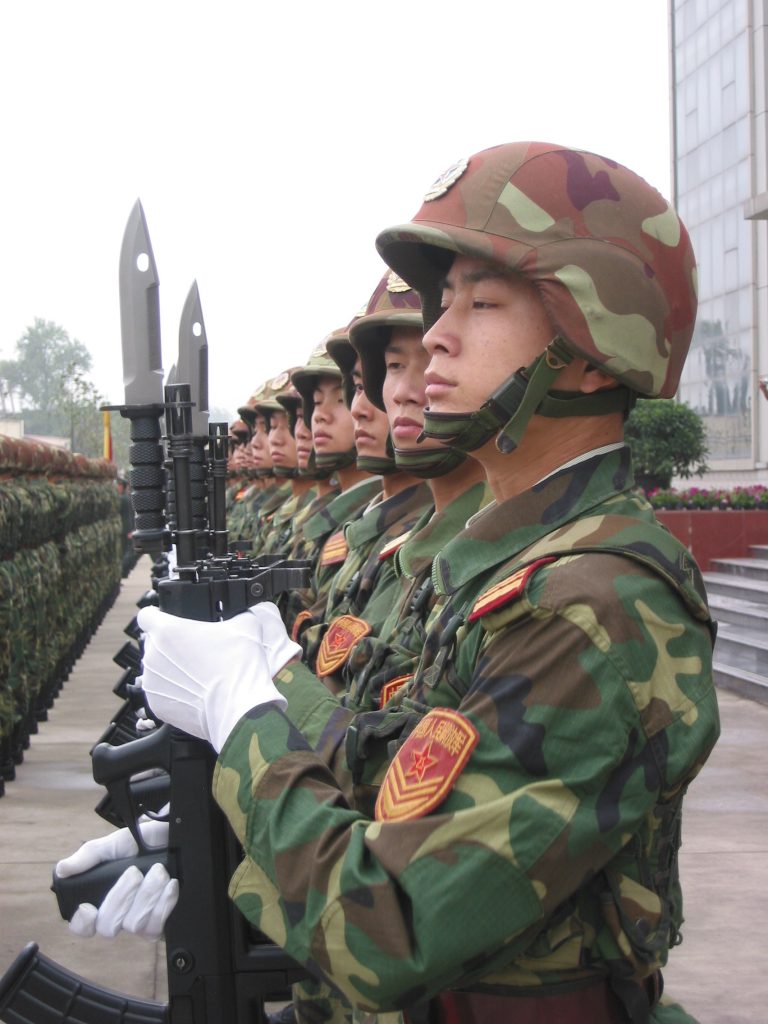
The Vietnam People’s Army has around 450,000 active personnel and a reserve and militia system that can mobilise millions. Conscription remains in place, and the army is still the dominant service, though spending is shifting toward the navy and air force.
Navy and the South China Sea
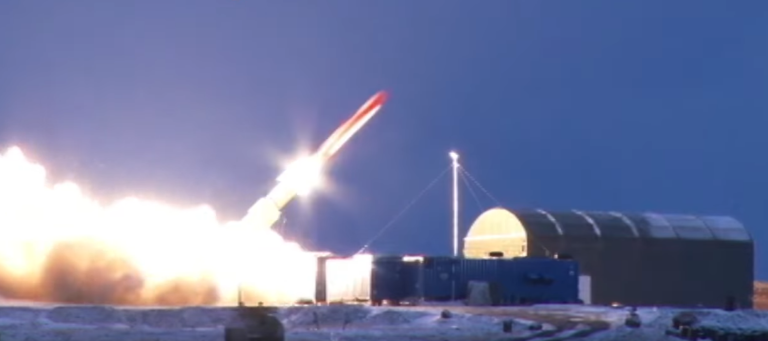
The navy’s most important assets are six Russian-built Kilo-class submarines, which give Vietnam a real deterrent against Chinese warships. It also operates Gepard-class frigates, corvettes, fast attack craft and Bastion coastal missile batteries. In the Spratly Islands, Vietnam has carried out a major land reclamation campaign since 2021, adding large areas to the features it holds and building harbours and runways.
Air force
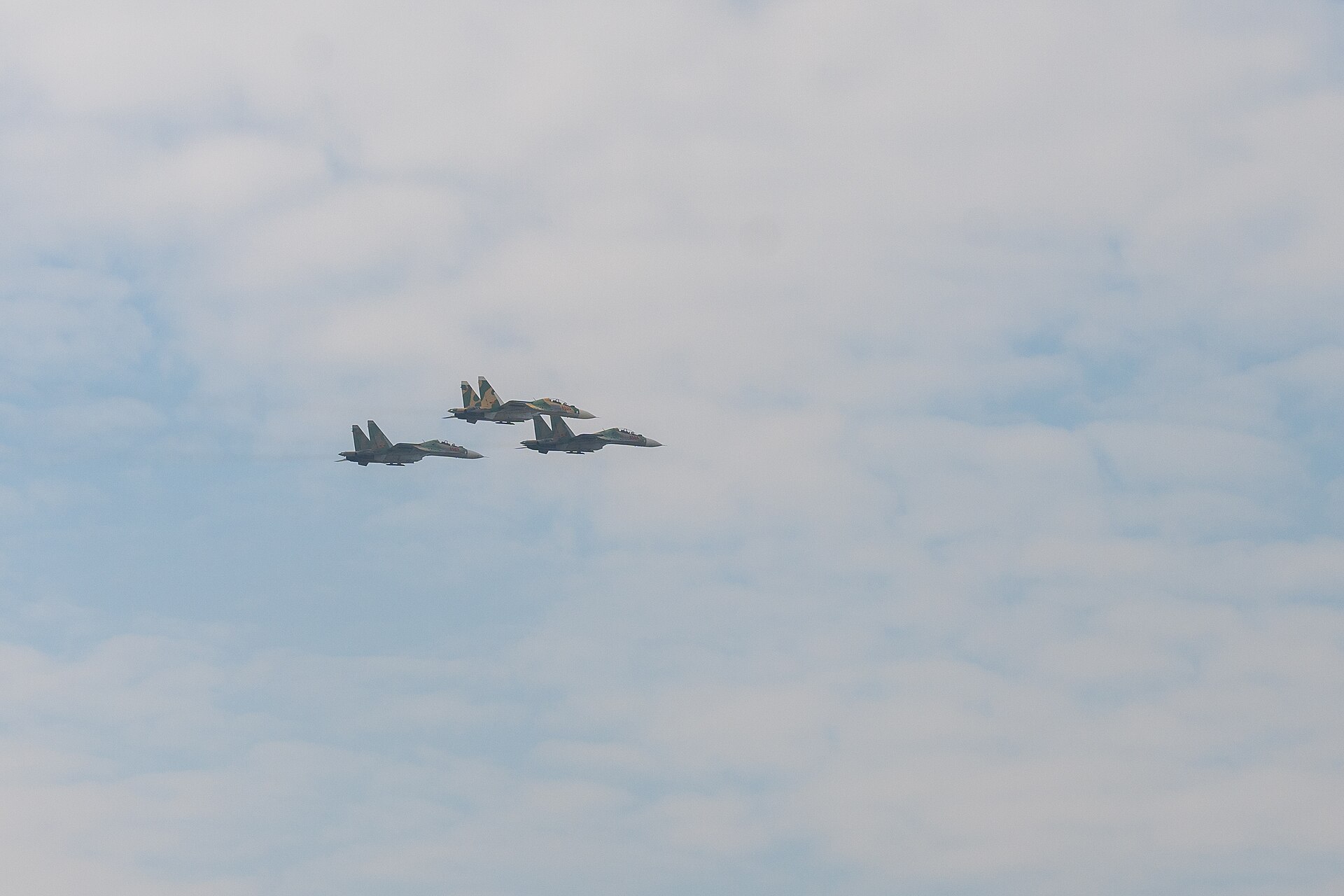
The backbone of the air force is around 35 Su-30MK2 fighters, supported by older Su-22s. Vietnam has been looking for a next-generation fighter but faces sanctions risks on Russian equipment and high costs for Western alternatives. It has ordered L-39NG trainers from the Czech Republic.
Diversification and domestic industry
Russia has supplied most of Vietnam’s weapons for decades, but the war in Ukraine and sanctions have pushed Hanoi to diversify. It has turned to Israel for air defence and radars, South Korea for K9 howitzers, India for patrol boats and possibly BrahMos missiles, and the US for transport aircraft. At home, the state telecom group Viettel has become a defence industry champion, producing radars, electronic warfare systems, drones and anti-ship missiles, showcased at the Vietnam Defence Expo.
Strengths and weaknesses
Vietnam’s strengths are manpower, combat tradition, geography and a growing domestic industry. Its weaknesses are an ageing air force, limited budget, dependence on Russian spare parts and a navy far smaller than China’s. Vietnam cannot match the PLA, but like Taiwan it aims to make any aggression costly, and its island fortifications show it intends to hold its ground.
Featured image: Embassy of the United States, Hanoi / Public domain, via Wikimedia Commons