

Air Defense
Crotale NG
The Crotale NG is a short-range surface-to-air missile system made by Thales and MBDA in France, in service since about 1990. It defends airbases and naval ships against aircraft, helicopters and missiles, and variants such as the Saudi Shahine remain in use across several countries.
 France|Thales & MBDA (originally Thomson-CSF)
What Is the Crotale NG? Overview, History and Development
The original Crotale was developed by Thomson-CSF (now Thales) and Matra (now MBDA) and entered service in 1971 with the French Air Force and South Africa. The Crotale NG, or New Generation, followed around 1989–1990 with the VT1 missile, which is credited with a speed near Mach 3.5, a range up to 11 km and a ceiling around 6 km using command guidance. A fire unit has a TRS 2630 search radar, an infrared and TV tracker and 8 missiles.
Typically two fire units work with a separate acquisition vehicle. A naval version, the VL Crotale or Crotale Naval EDIR, equips French and export ships. Saudi Arabia’s Shahine is a larger-rocket variant based on the Crotale Mk2, widely used to protect airbases and oil sites. Operators include France, Saudi Arabia, the UAE, Egypt and Pakistan, though local versions differ. Combat use is poorly documented, but Saudi units reportedly engaged Houthi drones and missiles. Rivals include the Tor-M2 and Pantsir-S1.
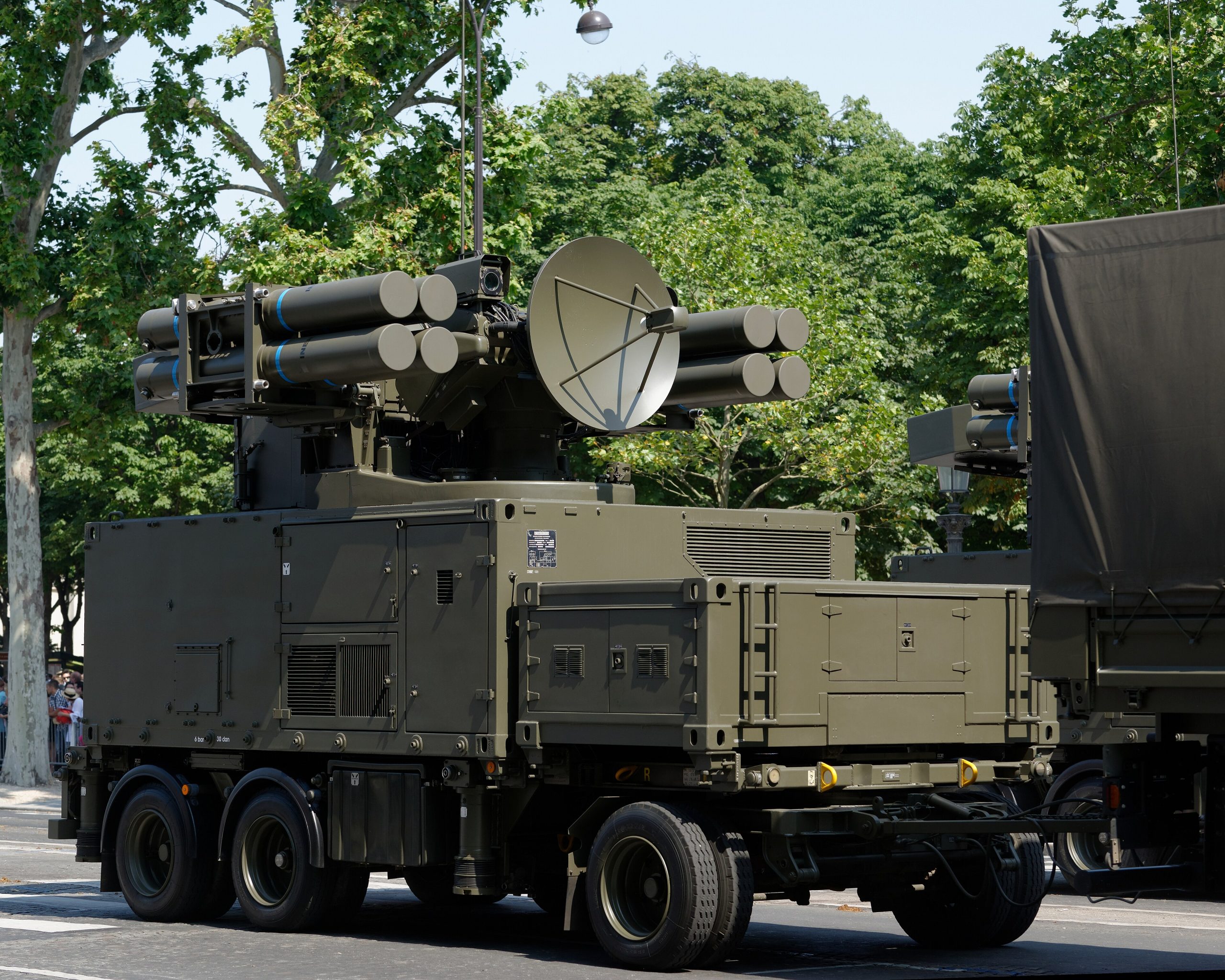
Crotale NG Specifications: Range, Altitude, Missiles and Radar
Crotale NG Variants and Versions Compared
The standard land-based version with radar and optical tracking and eight canistered missiles per fire unit.
A ship-launched version that fits in vertical launch cells for point defence of frigates and other warships.
A later upgrade standard of the Crotale family with improved sensors, whose details differ by customer.
Which Countries Use the Crotale NG? Operators and Users
France Saudi Arabia
 UAE
UAE Egypt
Egypt Pakistan
Crotale NG FAQ: Price, Range, Operators and Most Asked Questions
How much does Crotale NG cost?
The Crotale NG has no published price. Fire units were sold individually in the hundreds worldwide, and costs vary by customer and package. Short-range systems of this type are generally priced in the tens of millions of dollars per battery.
What is the range of Crotale NG?
The Crotale NG has a range of up to 11 km and a ceiling of about 6 km, according to manufacturer descriptions. Its VT1 missile reaches roughly Mach 3.5 and is guided by command signals from radar and optical tracking.
Which countries use Crotale?
Crotale-family systems are used by France, Saudi Arabia (as Shahine), the UAE, Egypt and Pakistan, though local variants differ. Naval versions also serve on French and export ships, including some Lafayette-class frigates.
What is the difference between Crotale and Shahine?
The Shahine is the Saudi name for an upgraded Crotale variant, based on the Crotale Mk2 with a larger rocket. Both are French-origin short-range systems used to protect airbases, oil facilities and other fixed sites.
Crotale vs Pantsir: which is better?
The Crotale NG and the Russian Pantsir-S1 serve the same short-range role, but Pantsir adds guns and a larger missile load, while Crotale is older with an 11 km range. Both have limited documented combat results.
Does Türkiye use the Crotale?
Crotale is not known to be in Turkish service. Türkiye relies on its own Korkut, Hisar-A+ and Sungur for short-range air defence, which are domestic systems built to reduce reliance on imports.