
What is the range of hypersonic missiles?

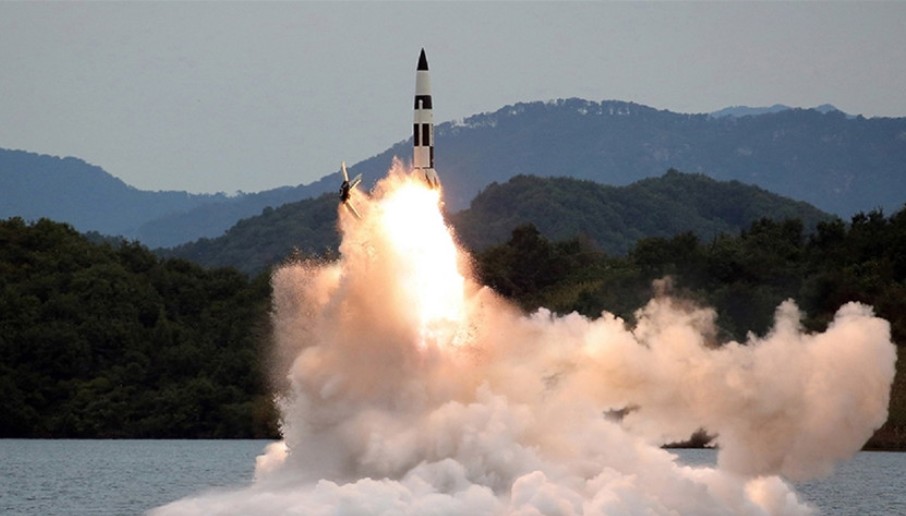

GLOBAL STRATEGIC ANALYSIS – In modern defense doctrines, distance is no longer a safety barrier. The emergence of hypersonic systems—traveling at Mach 5 and above—coupled with high-precision ballistic missiles, is fundamentally redefining the global balance of power. As of 2026, it is not just the superpowers but also significant regional actors who are extending their reach, making “range” the most debated metric in the defense news cycle.
But what is the true operational reach of these systems? Here is a comprehensive global analysis of the ranges and capabilities of the world’s most critical missile platforms.
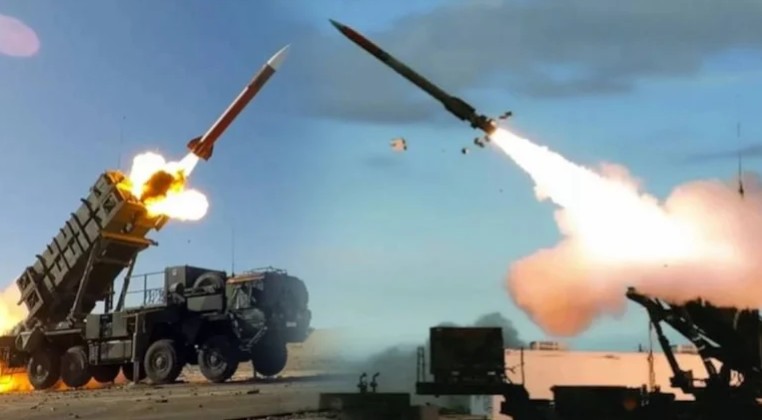
1. Strategic and Intercontinental Range (5,500 km+)
Often referred to as “Doomsday Weapons,” these systems are designed to cross oceans and strike from deep within sovereign territory.
-
Avangard (Russia): With a range exceeding 6,000 km, this Hypersonic Glide Vehicle (HGV) utilizes the upper atmosphere to reach incredible velocities while remaining maneuverable.
-
DF-27 (China): Boasting an estimated range of 8,000 km, this system symbolizes Beijing’s ability to project power far beyond the Second Island Chain and potentially reach the U.S. West Coast.
-
Sejjil (Iran): While classified as a strategic medium-to-long range system, its 2,500 km reach pushes regional boundaries, serving as Tehran’s primary solid-fuel deterrent.
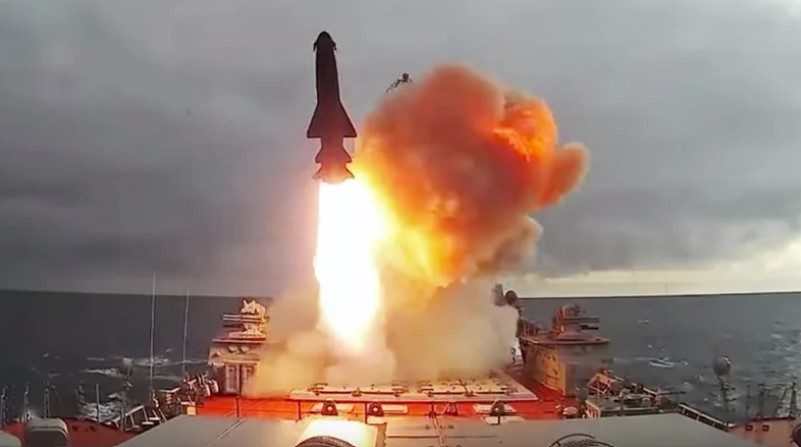
2. Intermediate and Long Range (1,500 km – 5,500 km)
These systems are optimized for regional dominance and the neutralization of aircraft carrier strike groups.
-
Dark Eagle / LRHW (USA): With a confirmed range of approximately 3,500 km, this hypersonic HGV is the backbone of the U.S. Army’s “Prompt Global Strike” capability.
-
DF-17 (China): A 2,500 km range hypersonic system specifically designed to evade Aegis-class missile defenses.
-
Fattah-2 (Iran): Claimed to reach Mach 15 with a range of 1,500 km, this system is designed to penetrate multi-layered air defense shields in the Middle East.
-
BrahMos-II (India/Russia): Currently in the advanced testing phase, this hypersonic cruise missile aims for a 1,500 km reach with extreme kinetic impact.
3. Tactical and Short Range (300 km – 1,500 km)
These are the workhorses of the modern battlefield, designed for rapid deployment and pinpoint accuracy.
-
Cenk (Turkey): With a range exceeding 900-1,000 km, the Cenk has propelled Turkey’s strategic deterrence into a superior league of indigenous ballistics.
-
Zircon (Russia): A 1,000 km range hypersonic cruise missile capable of striking both naval and land targets.
-
Tayfun (Turkey): At 600 km, the Tayfun serves as Turkey’s critical Short-Range Ballistic Missile (SRBM) for regional theater dominance.
-
Bora / Khan (Turkey): A combat-proven tactical system with a 300+ km range, known for its high-precision strikes.
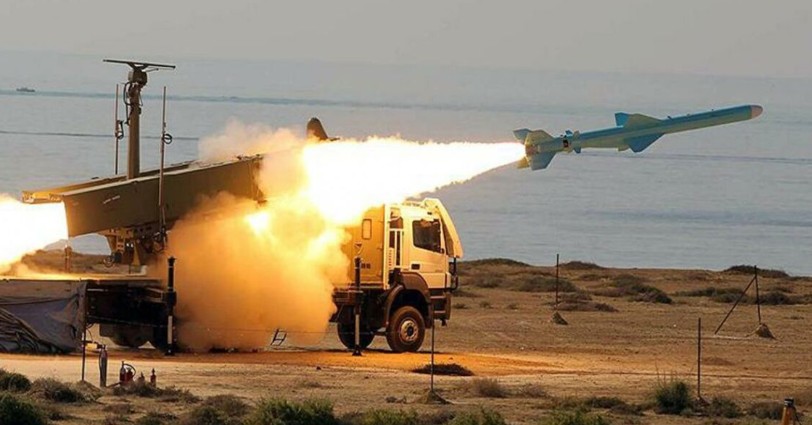
Global Missile Inventory Comparison (2026 Data)
| Missile System | Country | Estimated Range | Technology / Type |
| Avangard | Russia | 6,000+ km | Hypersonic Glide Vehicle (HGV) |
| DF-27 | China | 8,000 km | Hypersonic HGV |
| Dark Eagle | USA | 3,500 km | Hypersonic HGV |
| Sejjil | Iran | 2,500 km | Long-Range Ballistic |
| Fattah-2 | Iran | 1,500 km | Hypersonic Missile |
| BrahMos-II | India | 1,500 km | Hypersonic Cruise Missile |
| Cenk | Turkey | 900+ km | Medium-Range Ballistic |
| Zircon | Russia | 1,000 km | Hypersonic Cruise Missile |
| Tayfun | Turkey | 600 km | Short-Range Ballistic |
Strategic Verdict: The Shrinking Decision Window
The global race for range is not just about “hitting further.” As distances shrink and speeds increase, the time available for leaders and automated defense systems to react has plummeted from minutes to seconds. Today, a 600 km Tayfun or a 1,500 km Fattah is more than a weapon; it is a diplomatic lever that maintains or shifts the regional status quo.
As traditional air defenses struggle to counter the combination of Mach 5 speed and maneuverability, the late 2020s will likely see the rise of space-based interception and directed-energy weapons (lasers) as the only viable countermeasures.
Editor’s Note: Range data is based on 2026 official defense budgets, flight test reports, and verified field observations. Defense & Tech will continue to monitor the impact of these systems on global security architecture.