
Pakistan Defense News: The Top 5 Strategic Developments Shaping the Armed Forces


 React
React
ISLAMABAD — Operating in one of the most volatile geopolitical neighborhoods on the planet, the Pakistan Armed Forces are undergoing a massive, multi-domain transformation. Driven by the technological advancements of rival India and the immediate instability on its western borders, Islamabad is rapidly pivoting toward next-generation warfare, stealth capabilities, and strategic self-reliance.
For global defense analysts and geopolitical observers, here are the top five most critical developments currently dominating Pakistan Defense News.
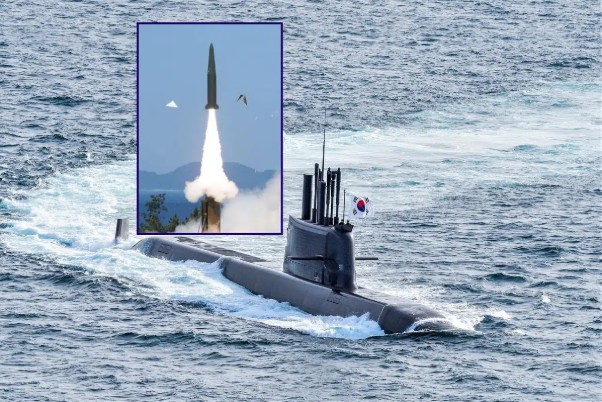
1. The Undersea Deterrent: The Hangor-Class Milestone The Pakistan Navy is executing a massive subsurface modernization aimed at denying Indian maritime dominance. The recent launch of the fourth Hangor-class attack submarine, PNS Ghazi, at the Wuchang Shipyard in China marks a critical milestone. With all four Chinese-built boats now in advanced sea trials and expected to enter active service by 2026, Pakistan is securing a formidable fleet equipped with Air-Independent Propulsion (AIP). This technology allows the submarines to remain submerged for highly extended periods, providing a stealthy platform that defense analysts suspect could integrate the Babur-III nuclear-capable cruise missile for a guaranteed second-strike capability.
2. Operation Ghazab lil-Haq: The Afghan Border Shift Facing a resurgence of asymmetric threats, the Pakistan Army has executed a major doctrinal shift on its western front. In response to escalating cross-border terrorism, the military launched Operation Ghazab lil-Haq, conducting unprecedented intelligence-based aerial and ground strikes against terror proxy hideouts inside Afghanistan. Highlighted in recent high-stakes briefings by the Inter-Services Public Relations (ISPR), this aggressive posture signals an end to strategic restraint, demonstrating Islamabad’s willingness to use direct kinetic force to neutralize threats emanating from Taliban-controlled territory.
3. Operation Muhafiz-ul-Bahr: Power Projection in the Gulf As the US-Iran conflict heavily disrupts global shipping lanes, the Pakistan Navy has launched Operation Muhafiz-ul-Bahr (Guardian of the Sea). Acknowledging that over 80% of its energy imports pass through the Strait of Hormuz, Pakistan has deployed frontline warships to the Persian Gulf. This is a vital power projection move; it ensures the security of its vulnerable oil tankers while simultaneously positioning Pakistan as an active, stabilizing naval player in one of the world’s most dangerous maritime chokepoints during a period of extreme regional volatility.
4. The 5th-Gen Ambition: Chasing the J-35 Stealth Fighter Following the successful integration of the J-10C “Dragon” to counter India’s acquisition of the Dassault Rafale, the Pakistan Air Force (PAF) is aggressively accelerating its aerial timeline. Defense intelligence indicates that the PAF is deep in negotiations to acquire the Chinese FC-31/J-35 fifth-generation stealth fighters before 2027. Paired with talks to procure advanced KJ-500 Airborne Early Warning and Control (AWACS) aircraft, Pakistan is aiming to completely overhaul its aerial kill chain, leapfrogging traditional 4th-generation limitations to establish a highly networked, stealth-capable air force.
5. Strategic Autonomy: The Saudi Defense & Tech Pact Navigating severe domestic economic constraints, the Pakistani military establishment is heavily leveraging its geopolitical capital to stabilize its defense-industrial base. Recent high-level engagements have resulted in historic progress regarding Pakistan-Saudi strategic defense ties. Moving beyond traditional troop deployments, the new framework focuses on joint defense production, space launch technology, and heavy Saudi investment in Pakistan’s military-industrial complex. This strategic partnership provides Riyadh with vital defense manufacturing capabilities while injecting much-needed capital into Islamabad’s sovereign modernization programs.
React