Tejas Mk2 Explained: India’s Medium Weight Fighter, Specs, Engine and Timeline
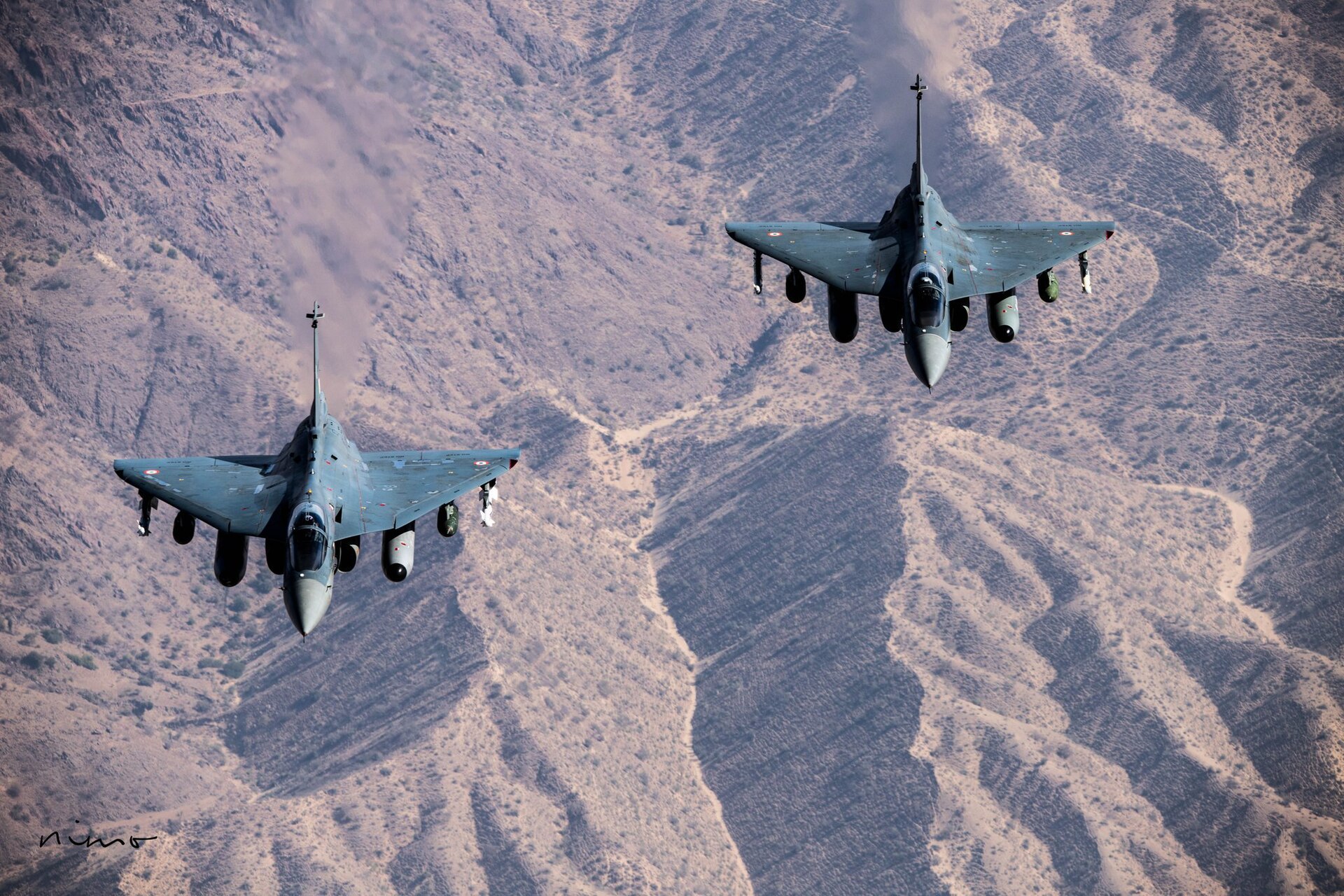
The Indian Air Force has a fighter shortage. It is authorised 42 squadrons but has been flying around 30, and the last MiG-21s retired in 2025. The Tejas Mk1A light fighter is filling part of the gap, but India’s real hope for the 2030s is a bigger, more capable sibling: the Tejas Mk2, also called the Medium Weight Fighter. Here is what it offers.
- Developed by India’s ADA with HAL as manufacturer
- Powered by the GE F414 engine, to be co-produced in India
- About 17.5 tonnes max take-off weight and 6.5 tonnes payload
- Will replace Mirage 2000s, Jaguars and MiG-29s
- First flight expected around 2026-27, production by the end of the decade
What is the Tejas Mk2?
The Tejas Mk2 is designed by the Aeronautical Development Agency (ADA) and will be built by Hindustan Aeronautics Limited (HAL). Despite the name, it is much more than an upgrade: it is a larger aircraft with a longer fuselage, close-coupled canards, more fuel and far greater weapons capacity than the Tejas Mk1 and Mk1A.
Key specifications
The Mk2 is expected to have a maximum take-off weight of around 17.5 tonnes and carry about 6.5 tonnes of weapons on 11 hardpoints, compared with roughly 3.5 tonnes for the Mk1A. It will be powered by the General Electric F414 engine, the same family used in the F/A-18E/F Super Hornet and Gripen E, producing around 98 kN of thrust with afterburner. Sensors include India’s Uttam AESA radar, an infrared search and track system and an integrated electronic warfare suite.
Weapons
The Mk2 is designed to carry Indian weapons such as the Astra beyond-visual-range air-to-air missile, the BrahMos-NG cruise missile and Rudram anti-radiation missiles, as well as Western weapons like Meteor and SCALP. Its larger size gives it better range and endurance for strike missions.
The engine deal
A crucial part of the programme is a deal between GE Aerospace and HAL to co-produce the F414 in India with significant technology transfer. If completed as planned, it would be a major step for India’s aerospace industry. Engine supply problems have already delayed deliveries of the Tejas Mk1A, which uses GE’s smaller F404, showing how critical this issue is.
Timeline
The first prototype was expected to roll out and fly around 2026-27, with series production around the end of the decade. Indian programmes have a history of delays, so many analysts expect the Mk2 to enter squadron service in the early 2030s. The Indian Air Force has indicated a requirement for well over 100 aircraft.
Where it fits
The Mk2 is meant to replace Mirage 2000s, Jaguars and MiG-29s. It sits between the light Tejas Mk1A and the Su-30MKI, while the fifth-generation AMCA is planned for the 2030s. The Rafale and any future foreign fighter purchase would complement it.
Verdict
The Tejas Mk2 could be the aircraft that finally gives India a capable, home-built frontline fighter in large numbers. Its success depends on the engine deal, HAL’s production capacity and India’s ability to avoid the delays that slowed the original Tejas.
Featured image: INDIAN AIR FORCE / GODL-India, via Wikimedia Commons