Europe’s “Drone Wall” Explained: How the EU and NATO Plan to Stop Drone Incursions
In September 2025 around 20 Russian drones crossed into Polish airspace, and NATO fighters shot several down, the first time alliance aircraft had engaged Russian targets over NATO territory. Within weeks, mysterious drones disrupted airports in Denmark, Germany and elsewhere. Europe realised it had no affordable way to stop cheap drones. The answer now taking shape is often called the “drone wall”. Here is what it is.
- Triggered by Russian drone incursions into Poland in September 2025
- NATO launched Operation Eastern Sentry in response
- EU renamed the idea the European Drone Defence Initiative
- Target: initial capability by end-2026, full by end-2027
- Relies on sensors, jammers, guns and interceptor drones
What is the drone wall?
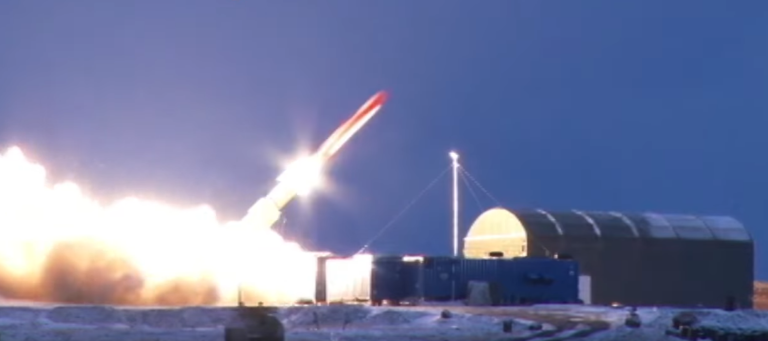
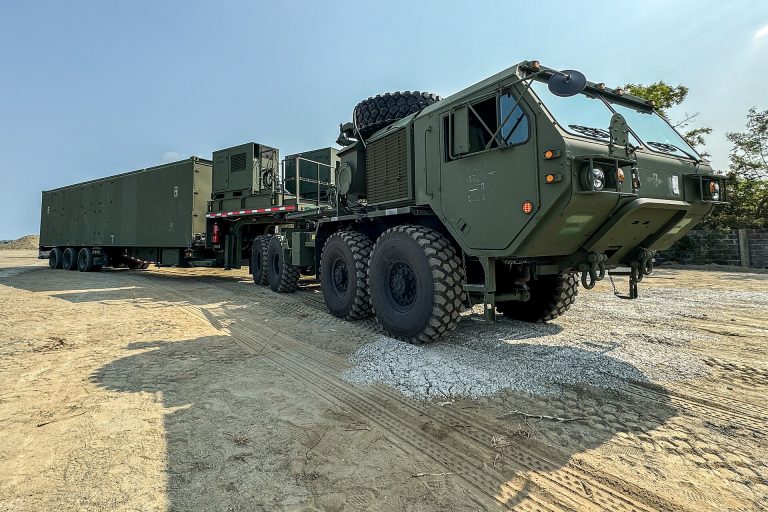
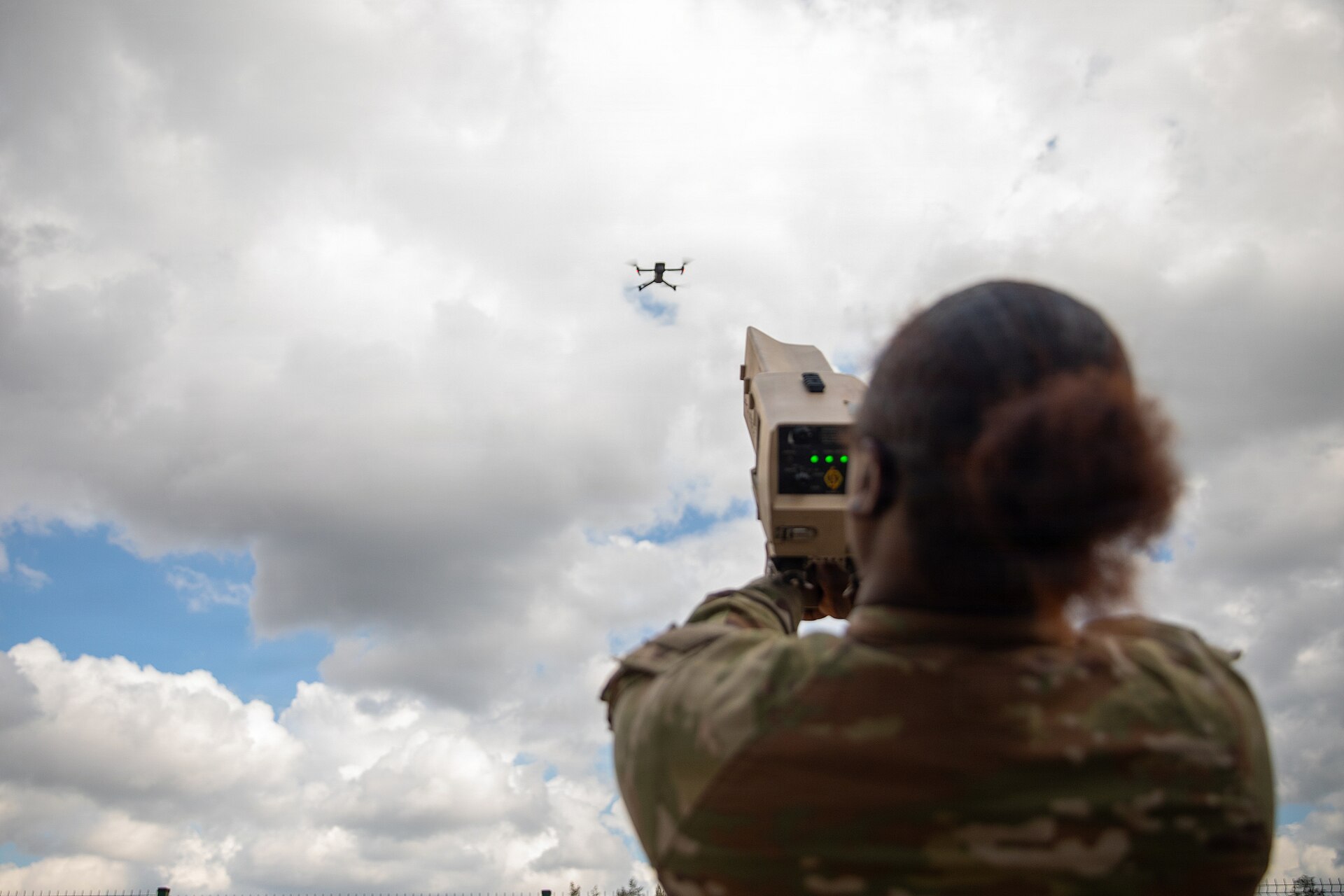
The term describes a network of sensors and weapons along Europe’s eastern border, from Finland and the Baltic states to Poland and Romania, designed to detect, track and destroy drones before they can reach cities, airports or military bases. It is not a physical wall but a layered system combining radar, acoustic and optical sensors, electronic jamming, guns and interceptor drones.
EU and NATO roles
NATO responded to the Polish incursion by launching Operation Eastern Sentry, reinforcing air defence along the eastern flank with aircraft and ground systems from several allies. The European Commission, led by President Ursula von der Leyen, proposed a drone wall in September 2025 and later folded it into a broader European Drone Defence Initiative within its defence readiness plans. The goal is initial capability by the end of 2026 and full capability by the end of 2027.
Learning from Ukraine
Ukraine is the model. It has built a dense network of thousands of cheap acoustic sensors, mobile fire teams with machine guns, electronic warfare units and fast interceptor drones to defeat Russian Shahed-type drones. European countries are buying Ukrainian know-how and systems, and some Ukrainian firms are setting up production in the EU.
Why it is needed
The problem is cost. Using a Patriot or even a fighter-launched missile against a drone costing a few tens of thousands of dollars is unsustainable. Europe needs defences where each interception costs about as much as the drone itself. A drone wall also protects critical infrastructure such as power plants, airports and undersea cable landing points from sabotage and surveillance.
Challenges
Building a seamless network across many countries is complex. National systems must share data, rules of engagement differ, and shooting down drones over populated areas raises safety and legal questions. Funding is another issue, as the initiative competes with other priorities such as ammunition and long-range air defence.
Verdict
The drone wall reflects a new reality: cheap, unmanned systems can threaten even the strongest militaries. If Europe can field it on time, it will close one of the most obvious gaps in its defences. If not, Russian drones will keep testing NATO’s borders.
Featured image: U.S. Army photo by Sgt. Max Elliott / Public domain, via Wikimedia Commons