

Frigate
Type 26 frigate (Global Combat Ship)
The Type 26 is a British anti-submarine frigate made by BAE Systems Maritime in the UK, designed as the Global Combat Ship. It displaces about 8,000 t, and versions have been chosen by Australia, Canada and Norway, but no ship has joined the Royal Navy fleet by late 2026.
 United Kingdom|BAE Systems Maritime
What Is the Type 26 frigate? Overview, History and Development
The Royal Navy ordered 8 Type 26 frigates, reduced from 13 planned, and builds them at the Govan and Scotstoun yards in Glasgow. Steel was cut in July 2017 and HMS Glasgow was launched in December 2022. Displacement is about 8,000 t, length 149.9 m, speed over 26 knots and range about 7,000 nm. A CODLOG plant with one MT30 gas turbine and four MTU diesel generators drives two electric motors, and keeps noise low for hunting submarines.
Armament includes 24 Mk 41 vertical cells, 48 Sea Ceptor cells, a 127 mm gun and two Phalanx. A Type 2087 towed sonar and Artisan 3D radar provide sensing, and a mission bay and hangar hold helicopters and drones. HMS Glasgow service has slipped to about 2028 (reported), at about 1 billion pounds per ship. Australia ordered 9 Hunter-class ships in 2018, Canada plans 15 River-class destroyers and Norway announced in August 2025 that it chose the Type 26. Rivals include the FREMM, FDI and F126.
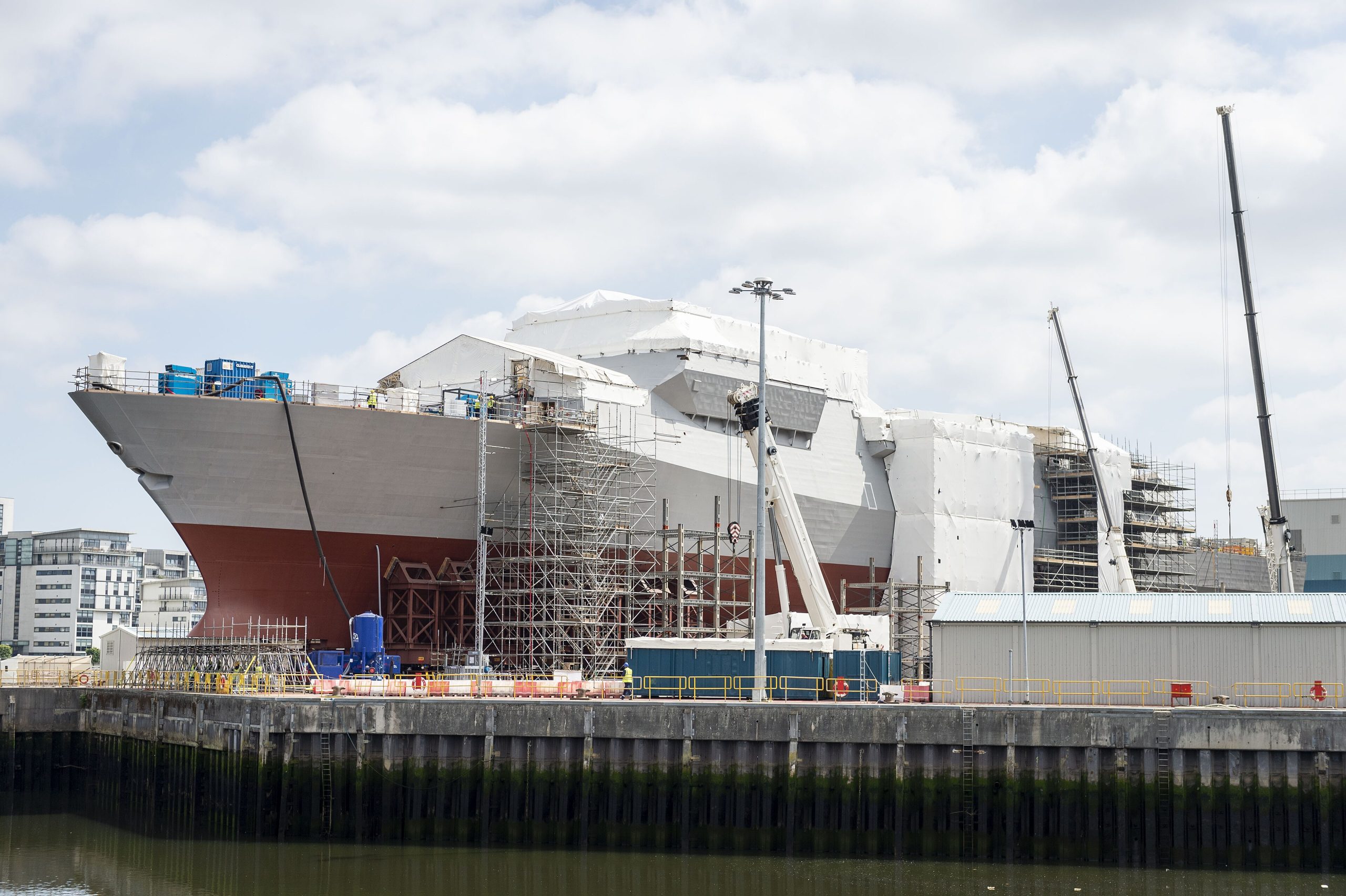
Type 26 frigate Specifications: Displacement, Speed, Armament and Crew
Type 26 frigate Variants and Versions Compared
The Royal Navy’s eight-ship version, built in Glasgow for anti-submarine warfare.
The Australian derivative, nine ships using Aegis and SPY-7 radar, with the first due about 2032.
The Canadian derivative of 15 destroyers built by Irving Shipbuilding, with the first steel cut in 2025.
Which Countries Use the Type 26 frigate? Operators and Users
United KingdomType 26 frigate FAQ: Price, Range, Operators and Most Asked Questions
How much does a Type 26 frigate cost?
A Type 26 frigate costs about 1 billion pounds per ship, according to hedged estimates. Costs differ by country and configuration.
Is the Type 26 frigate in service?
The Type 26 frigate is not yet in service, as no ship has joined the fleet by late 2026. HMS Glasgow, launched in 2022, is reported to be delayed to about 2028.
How many Type 26 frigates will the Royal Navy have?
The Royal Navy will have 8 Type 26 frigates, reduced from the 13 originally planned. They are built at BAE Systems’ Govan and Scotstoun yards in Glasgow.
Type 26 vs FREMM: which is better?
The Type 26 is larger than the FREMM, at about 8,000 t against 6,000 t, with 72 vertical launch cells in total and quieter propulsion for anti-submarine work. The FREMM is already in service and cheaper.
Which countries have chosen the Type 26?
The Type 26 has been chosen by the UK, Australia (Hunter class), Canada (River class) and Norway, which announced its selection in August 2025. Contract values are reported and hedged.
Why is the Type 26 so quiet?
The Type 26 is quiet because it uses a CODLOG plant, with a single MT30 gas turbine and four MTU diesel generators driving electric motors. This lets it run silently while towing sonar and hunting Russian submarines.