Indra Picks Thales LMM for Spanish Navy SILAEM Point Defense
Indra has signed an agreement with Thales España to integrate the Lightweight Multirole Missile (LMM) into SILAEM, a new very short-range point-defence system being developed for the Spanish Navy. The deal, announced on September 25, gives Spain’s first domestically developed naval VSHORAD system its missile, pairing Thales’s laser-guided weapon with fire-control radars designed by Indra.
SILAEM, short for Sistema Lanzador Embarcado (Shipborne Launcher System), was awarded to Indra by Spain’s Ministry of Defence in December 2025 under a Special Modernisation Programme worth €51 million. The system is intended to protect warships against drones, fast attack craft, anti-ship missiles and threats launched from the coast.
How SILAEM Will Work
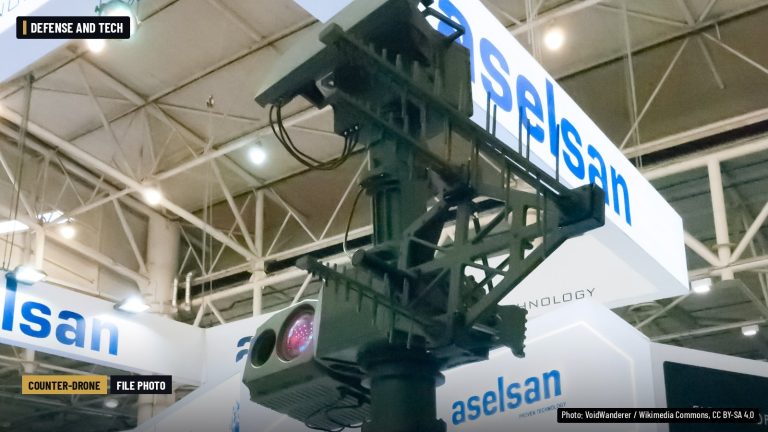
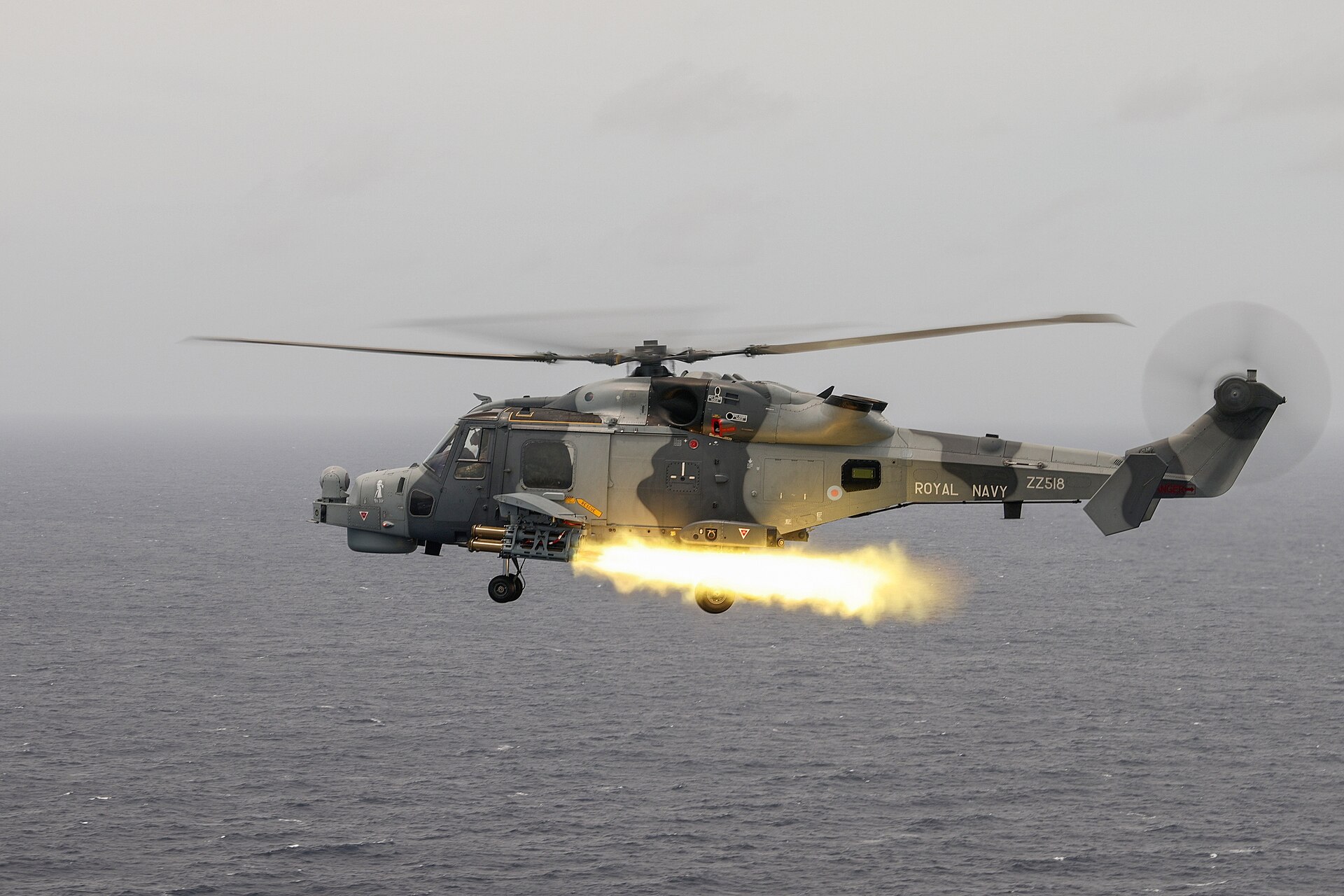
Indra is the prime contractor and is responsible for the X-band fire-control radar, the command-and-control software and overall integration. Thales España will supply the LMM, a compact missile built by Thales in Belfast that is already in service with the Royal Navy, where it arms the Wildcat helicopter under the name Martlet, and with Ukrainian forces.
The LMM weighs about 13 kg and uses laser beam-riding guidance, making it hard to jam and well suited to small, fast targets such as drones and boats. Indra says the combination offers very short reaction times and a high probability of kill at close range. The Navy’s requirement calls for day-and-night detection, the ability to track several threats at once and rapid reloading to engage consecutive targets.
Two configurations are planned:
- Stand-alone: an independent launcher with its own sensor and control, suited to ships without a modern combat system.
- Integrated: a version tied into SCOMBA, the Spanish Navy’s combat management system developed by Navantia, allowing SILAEM to share tracks with other sensors and weapons.
Which Ships Will Get It
The Ministry of Defence plans to fit SILAEM across a broad cross-section of the fleet, including the F-80 Santa María-class frigates, the Meteoro-class maritime action ships, combat supply ships and amphibious vessels, among them the LHD Juan Carlos I. The programme currently covers design, manufacturing, qualification, integration, installation and testing.
Why It Matters
The Red Sea campaign against Houthi drones and missiles has shown how quickly navies can burn through expensive interceptors against cheap threats. Point-defence systems such as SILAEM are intended to deal with the lower end of that threat spectrum at far lower cost per shot, leaving longer-range missiles for more capable targets.
Many Spanish auxiliary and amphibious ships currently rely on guns and close-in weapon systems for self-defence. A missile-based layer adds reach against drones and small boats, whose numbers and speed can overwhelm gun-only defences.
The programme also supports Madrid’s push to build sovereign capability in naval air defence. Indra has grown rapidly into Spain’s main defence electronics champion, and SILAEM gives it a missile system of its own to pair with its radar portfolio, with obvious export potential among navies seeking affordable protection for patrol vessels and support ships.
For Thales, the agreement opens another naval market for the LMM, which has so far been used mainly from helicopters and land launchers. A ship-based installation on Spanish vessels would add a new operational role and user for a weapon whose production has been ramped up since 2022 on the back of demand from Ukraine.
Part of a Wider Naval Upgrade
SILAEM arrives as the Spanish Navy undergoes its largest renewal in decades, with the F-110 Bonifaz-class frigates under construction at Navantia and new logistics and maritime action ships on order. Those programmes focus on high-end air and anti-submarine warfare; SILAEM fills a different gap by giving the rest of the fleet, including support and amphibious ships that often operate close to shore, a credible defence against the cheap drones and small boats now common in conflicts from the Black Sea to the Red Sea.